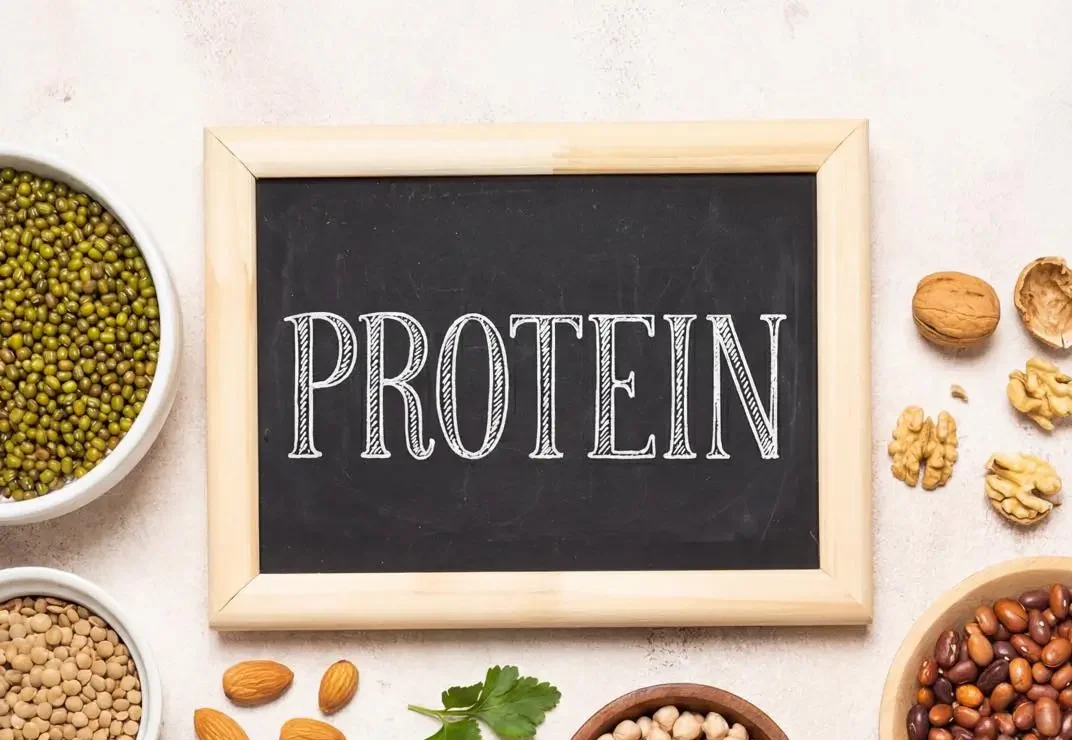
Protein is a key macronutrient in the diet and plays a crucial role in the proper functioning of metabolism. Metabolism encompasses all the chemical processes through which the body produces energy and maintains its vital functions. Adequate protein intake contributes to the regulation and enhancement of these processes.
One of the most significant benefits of protein is that it increases thermogenesis, meaning the energy the body expends for the digestion and metabolism of food. Compared to carbohydrates and fats, protein requires more energy to break down, which contributes to a greater calorie burn. At the same time, protein helps maintain and increase muscle mass, which is directly linked to the basal metabolic rate. The more muscle mass the body has, the more energy it burns even at rest.
Furthermore, it contributes to better appetite control, increasing the feeling of satiety and reducing sudden fluctuations in blood sugar levels. This helps stabilize energy levels throughout the day and maintain a healthy body weight.
Overall, protein is a key ally for an active and efficient metabolism, supporting the general health and well-being of the body.
The information provided is not medical advice but is for informational purposes only. For any questions, changes to your dietary plan, or before taking dietary supplements, consult your personal nutritionist or doctor.

Freeze-dried fruit: the power of fruit in every bite Fruits are natural sources of vitamins, minerals, dietary fiber, and valuable



Fluffy Oatmeal Bake!

Delicious protein bars!

Protein Energy Bites!

Fluffy & tasty pancakes!

Protein bowl with yoghurt!