
Protein is one of the most essential macronutrients in the diet and is vital for the proper functioning of the human body. It is involved in the building and repair of tissues, the production of enzymes and hormones, as well as the proper functioning of the immune system. The digestive system plays a crucial role in the breakdown and absorption of proteins from food.
The process of protein digestion begins in the stomach, where hydrochloric acid and the enzyme pepsin break down proteins into smaller peptides. Subsequently, in the small intestine, enzymes secreted by the pancreas, such as proteases, continue the breakdown into amino acids. The amino acids are absorbed through the intestinal walls and transported via the bloodstream to the body’s cells, where they are utilized for various vital functions.
Adequate protein intake is essential for maintaining muscle mass, promoting healthy digestion, and supporting overall health. Foods rich in protein include meat, fish, dairy products, legumes, and nuts. A healthy digestive system ensures that protein is properly utilized by the body.
However, we do not always obtain the necessary amount of protein solely from food on a daily basis.
The information provided is not medical advice but is for informational purposes only. For any questions, changes to your dietary plan, or before taking dietary supplements, consult your personal nutritionist or doctor.
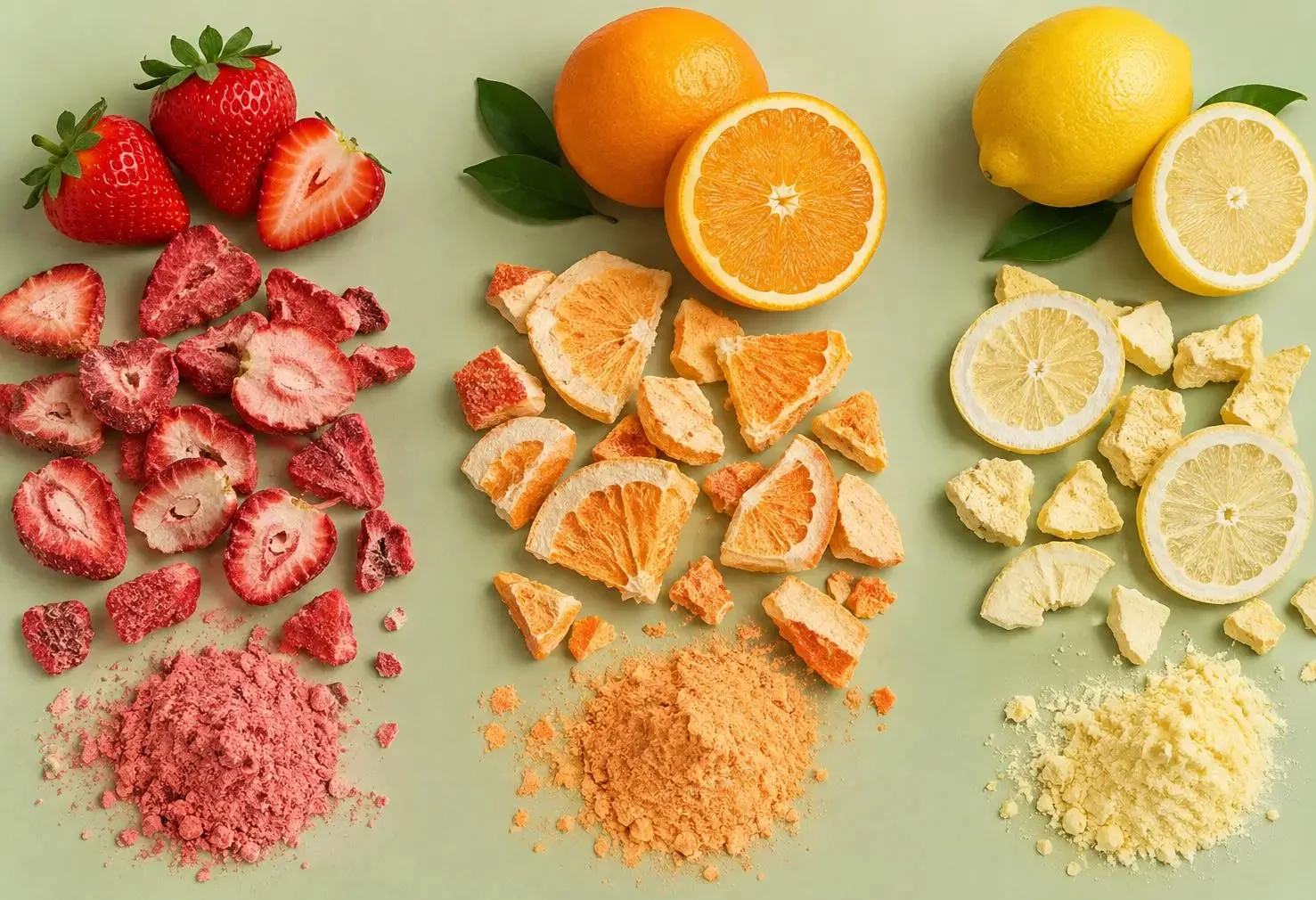
Freeze-dried fruit: the power of fruit in every bite Fruits are natural sources of vitamins, minerals, dietary fiber, and valuable
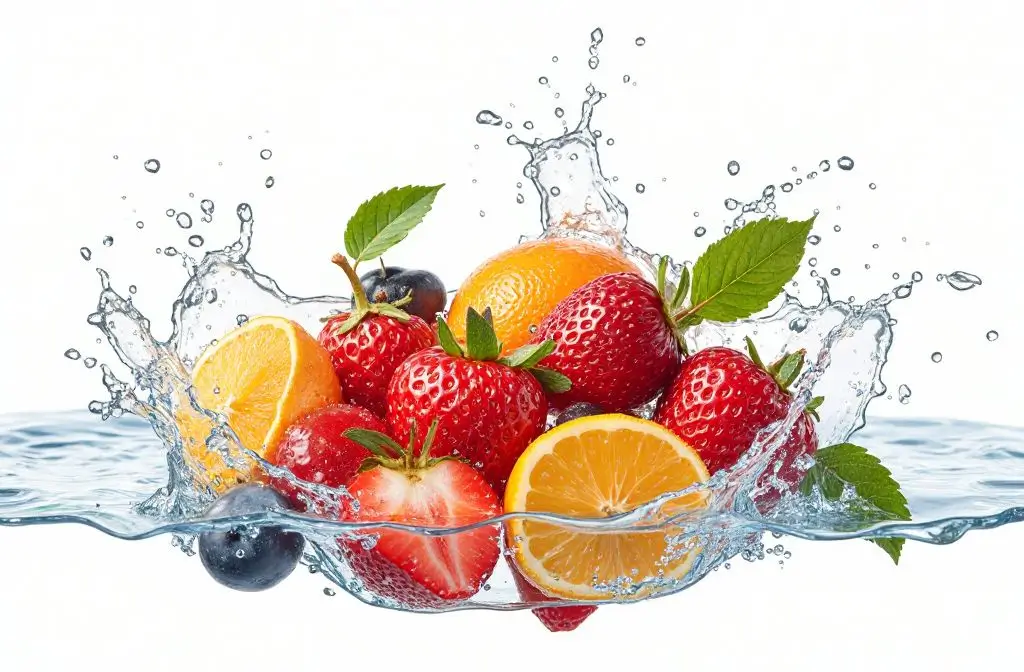


Fluffy Oatmeal Bake!

Delicious protein bars!

Protein Energy Bites!

Fluffy & tasty pancakes!
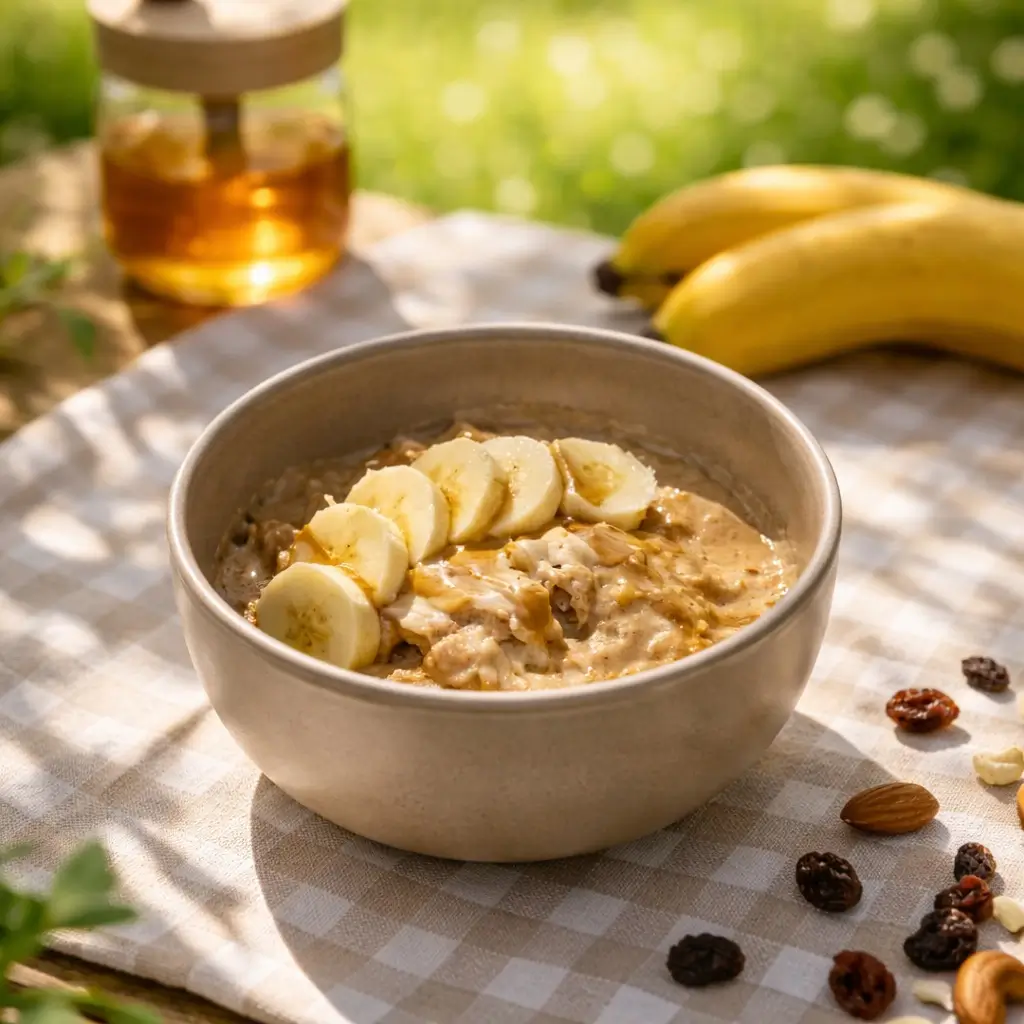
Protein bowl with yoghurt!